
Minoxidil: A Guide to Your Hair Growth Journey

When you start to notice more hair on your pillow or in your shower drain, it can be an upsetting and isolating experience. It’s a topic many people shy away from, but loss is a common medical condition, and there are effective, proven treatments available. One of the most talked-about is minoxidil. Let’s have a frank conversation about what it is, how it works, and what you can truly expect from it.
What is Minoxidil and How Does It Work?
You might be surprised to learn that minoxidil wasn’t originally a hair growth product. It was first used as an oral medication to treat high blood pressure. A fascinating side effect its users experienced was unwanted hair growth, which led to the development of the topical minoxidil we know today. {1}
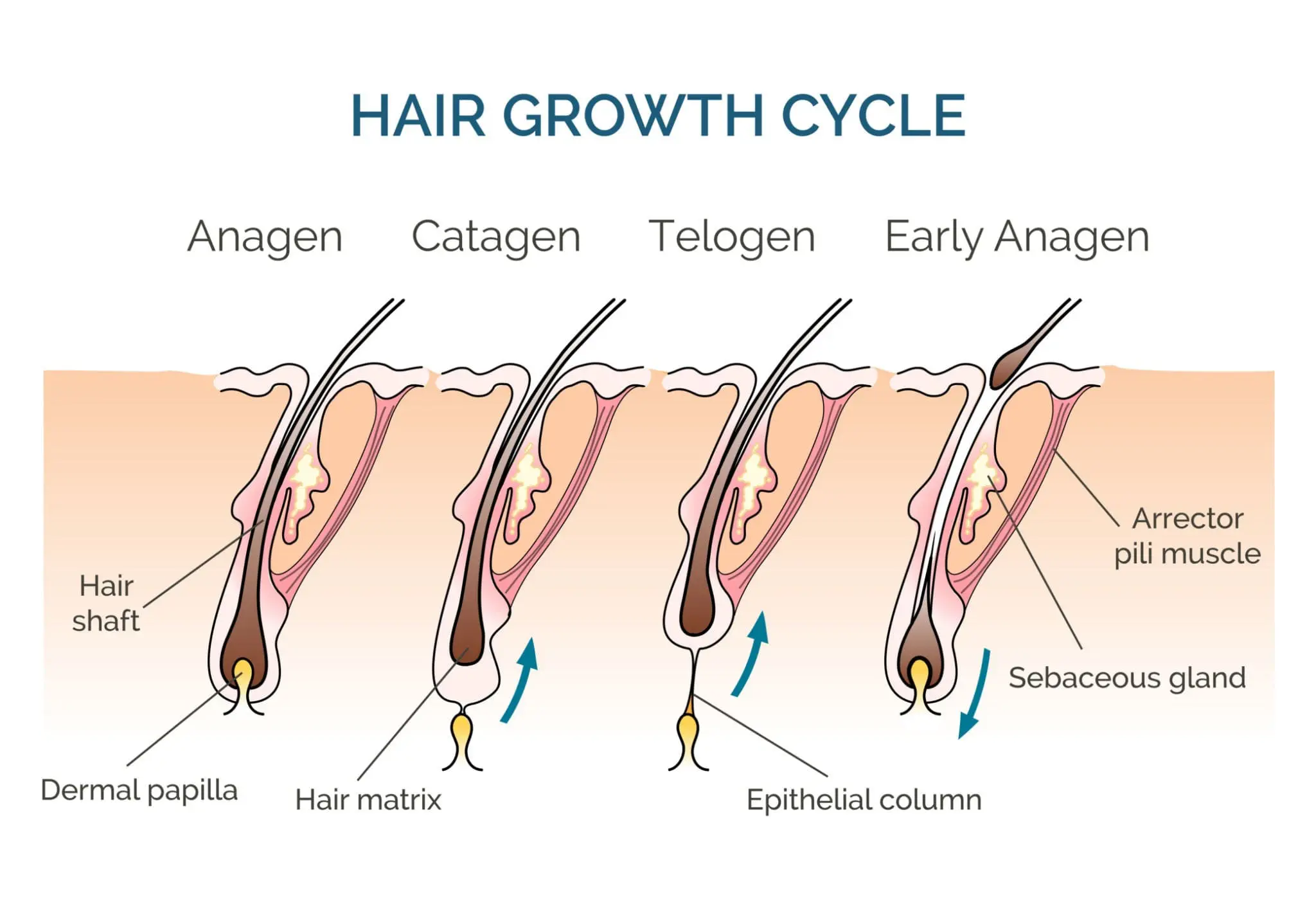
The exact way it works is still a bit of a mystery, but we know it’s a powerful tool. Minoxidil is believed to increase blood flow to your scalp, delivering more oxygen and nutrients to the hair follicles. It also pushes hair follicles into the “anagen,” or growth phase, and holds them there for a longer period. This action helps to reverse the miniaturization of follicles, which is the process that causes hair to become thinner and shorter over time. {2}
It’s important to understand this from the outset: minoxidil is not a one-time fix. Think of it as a commitment. To maintain the hair you’ve regrown, you need to continue using it. If you stop, your hair loss will likely resume within a few months, and you’ll lose any progress you made.{3}
 Patience is Key: When to Expect Results
If you decide to start a minoxidil regimen, the number one piece of advice I can give you is to be patient. This isn’t an overnight solution. The process involves some initial changes that can be a bit surprising, but they are part of a positive progression.
- Initial Shedding: In the first few weeks, it’s very common to see an increase in hair shedding. Don’t panic! This is a good sign. It means minoxidil is actively pushing out older, weaker hairs to make room for new, healthier ones. This “dread shed” is temporary and a sign that the treatment is working.
- Early Growth: After about two to four months of consistent use, you should start to see early signs of new growth. These hairs might be fine and colourless at first, but with continued treatment, they will become thicker and more pigmented.
- Peak Results: The most significant and noticeable results typically appear after six to twelve months of daily use. That’s when the new hair has had enough time to grow in and mature, leading to an overall increase in density and thickness.
Consistency is non-negotiable. Skipping doses can seriously hinder your results. Make minoxidil application a non-negotiable part of your daily routine, just like brushing your teeth.
A Frank Discussion on Side Effects
I believe in being completely open about the potential side effects so you can make an informed decision. The side effects you might experience depend largely on whether you use the topical or oral formulation.
For topical minoxidil, the side effects are usually localized to the scalp. The most common issues are irritation, itching, dryness, or a flaky scalp{4}. Interestingly, this is often not a reaction to the minoxidil itself but to the vehicle ingredients, such as propylene glycol.
Switching to a different brand or a foam formulation can often solve this problem. Another potential side effect is unwanted facial or body hair, which can happen if the product drips onto other areas. This is a bigger concern for women but is preventable with careful application.
Minoxidil can be a fantastic tool on your hair growth journey, but it’s just one piece of the puzzle. The most important step you can take is to consult a healthcare professional, such as a dermatologist. They can accurately diagnose the cause of your hair loss and create a personalized treatment plan that may include minoxidil, finasteride, or other therapies.
Remember, hair loss is a medical condition, not a personal failing. With the right guidance and the right tools, you can take control and feel confident in your growth plan.


