
The Chemical Cost of Conformity: A History of Trauma, Breakage, and Systemic Risk in Black Hair Care

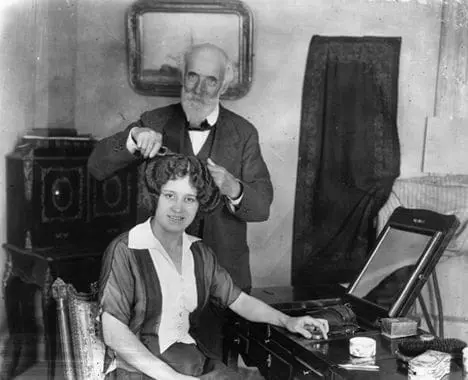
The story of Black hair is an embodied narrative of resilience, cultural innovation, and enduring trauma.
For centuries, the management and styling of Afro-textured hair have been inseparable from the pervasive influence of Eurocentric beauty standards—a social and economic hierarchy that has repeatedly forced physical sacrifice in the name of conformity. What began as a response to systemic discrimination, utilizing hot metal and oil, evolved into a public health crisis involving potent, carcinogenic chemicals.
This history reveals that the visible symptom of hair breakage is not merely a cosmetic inconvenience, but a profound indicator of a chemically compromised system, tracing a line from internalized self-hatred to chronic, life-threatening internal disease.
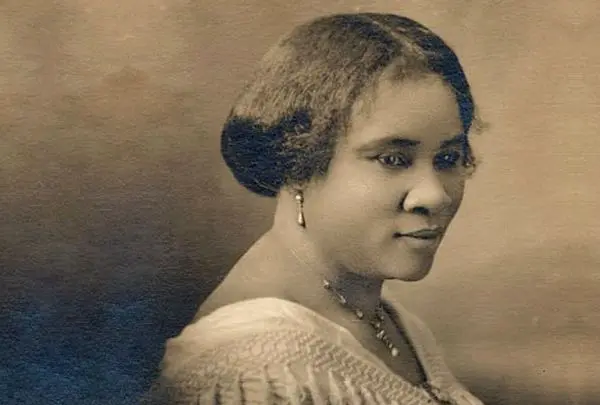
The Precedent of Heat: The Hot Comb Era
The desire for sleek, straightened hair long predates the chemical industry, beginning with intense thermal alteration. The tool of choice was the hot comb, a metal device designed to flatten moderate or coarse hair textures by being heated directly on a stove or electrically.{1}
While the earliest iteration was a 19th-century European device used by white women, popularized by French stylist Marcel Grateau in 1872 {2}, the tool was rapidly adopted and adapted in the United States in the 1900s.
Black entrepreneurs and innovators, most famously Madam C.J. Walker, played a pivotal role in modifying and popularizing the device, although she never claimed its initial invention.{3}
Walker and Annie Turnbo Malone (who founded the Poro Company in 1902) were crucial in establishing specialty hair shops and product lines that catered to Black clientele, seizing an entrepreneurial opportunity after being largely excluded from serving white clients.{4}
This thermal era of straightening, however, introduced the first pattern of hair destruction. The necessity of applying intense, frequent heat resulted in heat damage, irreversibly altering the hair’s protein structure and leading to common issues like split ends.{5}
More fundamentally, it established a culture where the destruction of natural hair was viewed as a necessary step for achieving “manageable” hair and fitting into the prevailing aesthetic. This was often reinforced from an early age; studies indicate that African American children as young as three or four had a good understanding of the social hierarchy created by “good hair” (Caucasian-textured hair).{6}
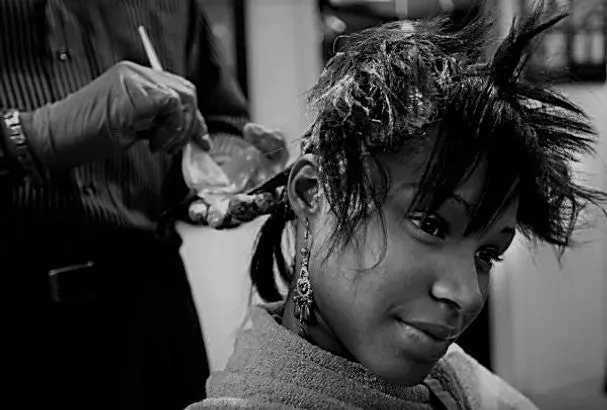
The Chemical Revolution: Permanent Damage by Lye
The landscape of Black hair care fundamentally changed in the mid-20th century with the introduction of chemical straighteners. The first documented chemical product was Garrett Augustus Morgan’s hair refining cream, accidentally discovered in 1909 and quickly commercialized to Black and mixed-race customers.{7}
The market exploded after World War II. In 1957, Johnson Products Company (JPC) repositioned its men’s product, Ultra Wave, as Ultra Sheen for women. JPC strategically marketed Ultra Sheen as a solution that could “eliminate the need to use a hot comb, grease, and frequent trips to the beauty shop”.{8}
This convenience, marketed with aspirational slogans promoting “silky smooth results” and “professional manageability” {9}, fueled massive demand. By the 1960s, JPC commanded an estimated 80% of the Black hair-care market.
The Irreversible Chemistry of Lanthionization
Chemical relaxers achieve permanent straightening by disrupting the internal structure of the hair shaft. They are specifically designed to loosen or break the bonds found within the hair’s cortex layer.
The critical process driving this permanent alteration is called lanthionization. The structural implication is absolute: once the bond, that bond is permanently broken and can never be chemically reformed. This irreversible chemical destruction ensures permanent straightness but simultaneously causes chronic structural weakening, leaving the hair brittle and highly prone to breakage.{10}
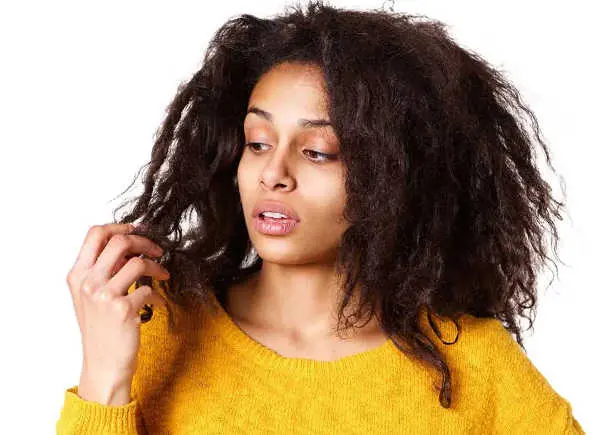
The Acute Physical and Psychological Toll
The immediate physical consequences of repeated exposure to these powerful agents are extensively documented. A cross-sectional study found an alarmingly high incidence of adverse effects, with 95.56% of participants who underwent repeated chemical relaxing procedures reporting negative outcomes.{11}
The most common adverse effects were:
- Frizzy hair (67%)
- Dandruff (61%)
- Hair loss (47%)
- Thinning and weakening of hair structure (40%)
Pathways to Healthy Hair: Combatting Hair Breakage
If you are transitioning away from damaged hair, hair management must pivot toward intensive moisture retention and structural repair to combat chronic dryness and breakage. This requires a dedicated routine utilizing products focused on natural health and addressing localized concerns like breakage, hair loss, and dry hair.
A Recommended Moisture-First Routine:
- Deep Treatment and Repair: Begin the routine with a focus on deep penetration to strengthen and repair the hair shaft. Products like the L’oreal Professional Absolut Repair Instant Resurfacing Mask can provide intensive therapy to counter the structural damage caused by past chemical manipulation, which leaves the hair brittle and fragile.
- Hydration and Sealing (LOC Method Principle): Afro-textured hair requires layers of moisture that are then locked into the hair shaft.
- Liquid/Leave-in: Start with a water-based moisturizer or leave-in, such as the MIZANI MIRACLE MILK , to hydrate the strands.
- Oil: Follow immediately by sealing the moisture with a penetrating natural oil, such as Saru Organics Avocado Oil. Sealing the moisture prevents the rapid evaporation that leads to common issues like dryness and breakage.
- Low Manipulation and Growth Support: Consistent care with minimal manipulation is key to reversing chemical damage. Brands focused on natural ingredients, such as Shea Moisture Hair and My Natural Hair , offer less chemically invasive options for styling and conditioning. For consumers specifically dealing with localized damage and hair loss, tools like the
The choice of non-chemical maintenance transforms hair care from an act of imposed conformity into a proactive act of self-care and health preservation.


