
Why Natural Remedies for Baby Skin Are the Safest Choice


The Delicate World of Baby Skin
For new parents, few things are as concerning as unexplained redness, irritation, or persistent dryness on their baby’s delicate complexion.
The desire to provide the gentlest, safest care often leads them to seek natural remedies for baby skin, moving away from complex chemical formulations.
But what does “natural” truly mean, and how can parents ensure these remedies are both effective and safe?
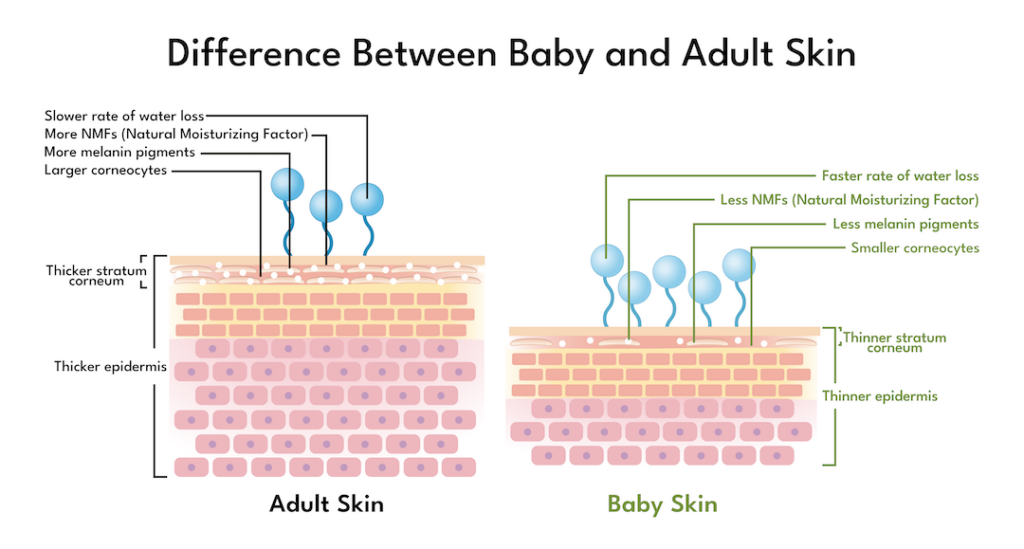
A baby’s skin is structurally unique; it is thinner, more sensitive, and highly susceptible to irritation and water loss. The skin’s outermost protective layer (stratum corneum), is still developing, making it highly permeable.{1}
This permeability allows for the effective application of these products that are safe for baby skin.
This increased permeability means that anything applied topically is absorbed more easily than in adults. Therefore, ingredient selection is paramount: we must prioritize purity, minimalism, and proven efficacy.
This comprehensive guide delves into the most effective, scientifically-backed natural remedies for baby skin, offering a vetted approach to cleansing, soothing, and protecting your little one. We will explore powerful plant-based ingredients, outline a gentle daily protocol, and, crucially, highlight the substances—even some common household “remedies”—that experts advise against.
Understanding the Vulnerable Skin Barrier
First we have to understand a little bit of science. You see because your baby can absorb things on their skin easily it means that they are at risk of absorbing things that are harsh or that have irritating ingredients.{1}
Even though the word “natural” sounds safe and harmless, some ingredients — especially plant extracts and botanicals — can still cause skin irritation or allergic reactions.{2} Clinical consensus dictates that the safest choices are single-ingredient, edible vegetable or food-based oils, such as sunflower, almond, grapeseed, coconut, olive, and safflower oil, which offer known compositions and low allergen profiles.{1}
Choosing the right ingredients ensures that babies benefit from safe and effective care.
Experts advise parents not to use moisturizers with too many plant ingredients, food extracts, or any kind of fragrance — even “natural” ones — because these can irritate and weaken a baby’s sensitive skin.{2} The guiding principle for maintaining healthy baby skin is to use products that hydrate and protect without adding complex chemical profiles.
Scientifically-Backed Natural Heroes for Baby Skin
When seeking effective natural remedies for baby skin, four core ingredients stand out for their clinically proven ability to soothe inflammation, repair the barrier, and provide relief for common issues like eczema, redness, and dryness.
These natural remedies provide a holistic approach to skincare for delicate baby skin.
Virgin Coconut Oil: The Anti-Inflammatory Barrier
Virgin Coconut Oil is celebrated for its dual role as both a moisturizer and a protective barrier, thanks to its powerful anti-inflammatory and antimicrobial properties.{3} The key to safe use is ensuring it is high-quality, edible, food-grade oil.{1}
For intensive treatment of conditions like eczema, the oil can be used with wet wrap therapy. This involves liberally applying the warmed oil and immediately covering the affected area with strips of soft, damp, sterile cloth. This occlusive layer maximizes the oil’s penetration and significantly reduces water evaporation, which is critical for barrier repair.{4}
Colloidal Oatmeal Baths: The Anti-Itch Solution
For immediate relief from itching, redness, and irritation, colloidal oatmeal is an established natural anti-inflammatory agent.{3} It works by forming a protective film on the skin’s surface, modifying the pH to reduce inflammation and provide comfort.
Pure Shea Butter: Deep Barrier Hydration
Derived from the African shea nut, pure Shea Butter is a rich, occlusive moisturizer that locks moisture into the skin, making it highly effective for treating chronic dryness. It is prized for its high content of vitamins A and E, which support deep hydration and healing.{3}
As a trusted natural remedy for baby skin, it can be used as a heavy daily moisturizer.{3} However, if your baby has been diagnosed with eczema, it is essential to consult a pediatrician or dermatologist before widespread use, as individuals can rarely be allergic to it.{7}

The Optimal Natural Skincare Protocol
An effective natural regimen relies on consistency and technique, focusing on prevention to minimize the need for reactive treatment.
Gentle Cleansing and Bathing
Bathing should be brief (5 to 10 minutes) and done with warm tap water.{2} When a cleanser is necessary, choose a mild, soap-free, pH-neutral wash that is strictly free from fragrance, botanicals, and antibacterial agents.{2}
Moisturizing Techniques
Daily moisturizing is key, especially at the first sign of dryness.
- Thick vs. Thin: Choose a thick, non-fragranced cream over a thin lotion, as creams offer greater occlusive efficacy and create a better lasting barrier.{2}
- The Golden Window: Apply the moisturizer immediately after patting the baby dry following a bath. This locks in the residual moisture, maximizing hydration.{6}
- Preventing Contamination: To maintain the purity of the product, use a pump container or scoop the cream out with a clean utensil; avoid double-dipping your fingers into the jar.{2}
Diaper Area Defense
For the diaper area, consistency and protection are non-negotiable. Change diapers frequently and allow some air exposure whenever possible.{2}

What to Never Use on Baby Skin
The practice of care includes knowing which traditional remedies pose risks to your baby’s respiratory or dermatological health.
The Danger of Powders
Pediatric experts universally advise caution or outright avoidance of all powders in infant care.
- Talcum Powder: This is strongly discouraged because inhaling talc particles can irritate the lungs and respiratory system.{8}
- Cornstarch Powder: While perceived as a safer, food-based alternative, medical professionals advise against using it in the diaper area.{10} Like talc, the fine particles can become airborne and pose a respiratory risk.{10}
Non-Preferred Oils and Irritants
To maintain the skin barrier, certain common ingredients must be excluded:
- Wipes: Avoid perfumed wipes or wipes containing alcohol, which can strip the skin’s natural protective oils and induce irritation.{8}
- Fragrance: Any product containing fragrance should be avoided on sensitive baby skin.{2}
Sourcing Vetted Products in the Local Market
Successfully implementing a skincare regimen requires access to pure, high-quality products.
Key Ingredients to Prioritize
When checking labels in local stores, prioritize products that explicitly state they are “fragrance-free” and “sulphate-free”.{2} Look for high concentrations of the scientifically-validated natural remedies for baby skin, such as:
- Calendula
- Pure Shea Butter
Food-grade carrier oils (e.g., Avocado Oil, Coconut Oil) {11}
The best way to care for a baby’s skin is to use gentle, natural ingredients that help protect and soothe it. Virgin Coconut Oil, pure Shea Butter, and Calendula extract are great options for daily care and for easing common skin irritations.
Incorporating these natural options into your baby’s routine can enhance their skin’s overall health.
Always test a small amount of any new product on your baby’s skin first to make sure it’s safe. Keep the routine simple and consistent — that’s what works best for delicate skin.
If your baby’s rash doesn’t improve, gets worse, oozes, or comes with a fever, stop using home remedies and see a doctor, as it might need special medical treatment.


